
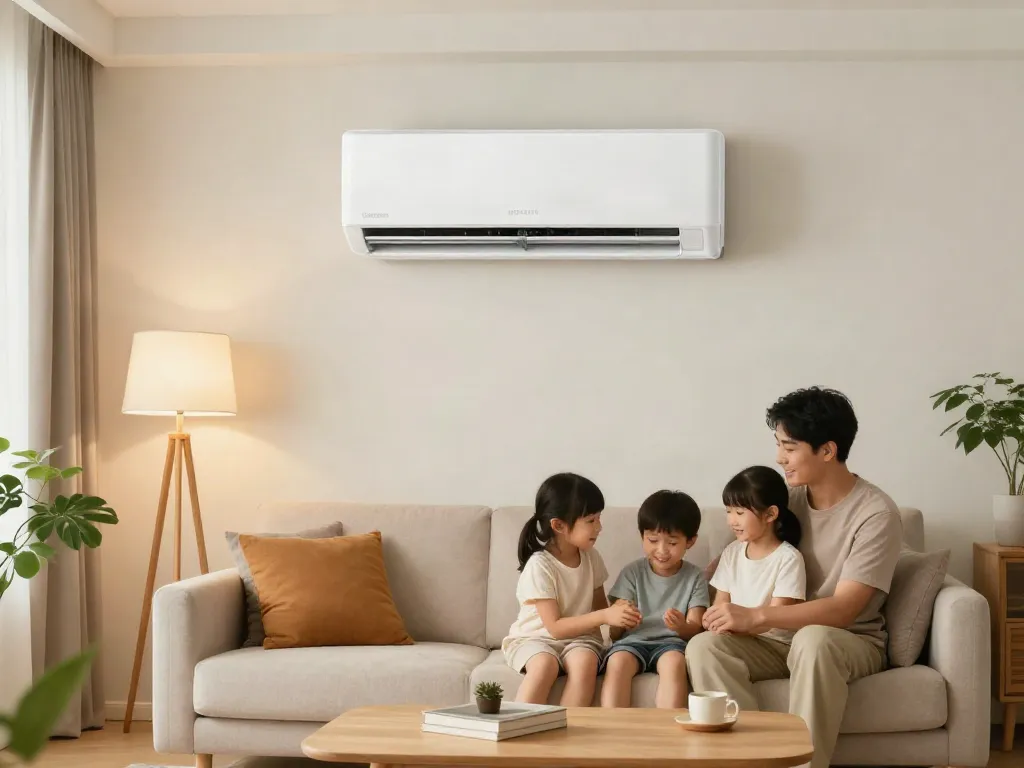
Understanding the Basics of 12000 BTU Mini Split Systems
The 12000 BTU mini split system is a popular choice for homeowners seeking efficient heating and cooling solutions. These units combine cutting-edge technology with convenient installation options, making them ideal for various living spaces. A mini split system is known for its versatility and energy efficiency, allowing it to cool or heat rooms without the need for ductwork, which can be expensive and cumbersome to install. When exploring options, 12000 btu mini split systems emerge as one of the top contenders for anyone looking to enhance their home climate control.
What is a 12000 BTU Mini Split System?
A 12000 BTU mini split system is a type of ductless heating and cooling system designed to provide efficient temperature control for single or multiple rooms. The term "BTU" stands for British Thermal Unit, which measures the cooling or heating capacity of an appliance. A 12000 BTU unit is capable of efficiently managing the temperature in spaces up to approximately 550 square feet, ideal for bedrooms, living rooms, or home offices. These systems consist of an outdoor compressor unit and one or more indoor air handling units, which can be mounted on walls or ceilings, depending on the room layout.
Key Features of Mini Split Systems
- Ductless Design: Minimizes installation costs and space requirements.
- Inverter Technology: Allows for variable speed operation, improving energy efficiency and comfort.
- Remote Control: Provides convenient access to temperature settings from anywhere in the room.
- Multiple Zones: One outdoor unit can support multiple indoor units, providing flexibility for different rooms.
How to Choose the Right Size Mini Split for Your Home
When selecting a mini split system, it is crucial to choose the right size for your space. An undersized unit will struggle to maintain comfortable temperatures, while an oversized unit will cycle on and off too frequently, leading to reduced efficiency. To determine the appropriate BTU requirement, consider the following factors:
- Room Size: Measure the square footage of the area to be cooled or heated.
- Insulation Quality: Well-insulated rooms retain temperature better than poorly insulated ones.
- Sun Exposure: Rooms with large windows or high sun exposure may require a higher BTU rating.
- Number of Occupants: More people in a room can increase the heat load.
Benefits of 12000 BTU Mini Split for Family Living
Energy Efficiency and Cost Savings
One of the primary advantages of a 12000 BTU mini split system is its energy efficiency. Traditional HVAC systems typically operate at a fixed speed, meaning they are less efficient when it comes to managing varying temperature demands. In contrast, mini split systems with inverter technology adjust compressor speed based on the current cooling or heating needs. This capability can significantly lower energy bills, particularly during peak cooling or heating months.
Temperature Control and Comfort
Mini split systems provide superior temperature control compared to conventional systems. Homeowners can manage each unit individually, setting different temperatures in different rooms according to comfort preferences. This zoning capability ensures that each family member can enjoy their ideal climate without compromising on comfort. Additionally, many models include advanced filtration systems that improve indoor air quality by removing dust, allergens, and other pollutants.
Design Flexibility and Aesthetics
12000 BTU mini split systems offer a variety of installation options to suit different interior designs. The sleek, minimalist appearance of the indoor units allows them to blend seamlessly into any room décor. Homeowners can choose to mount units high on walls, flush with ceilings, or even as standing units in specific settings. This design flexibility makes mini splits an ideal choice for modern home interiors, where aesthetics are a priority.
Installation Considerations for Mini Split Systems
DIY Installation vs. Professional Help
While some homeowners may consider installing a mini split system themselves, it’s important to weigh the pros and cons. DIY installation can save on labor costs, but improper installation may lead to inefficiencies and void warranties. Hiring a professional ensures that the unit is installed correctly and operates efficiently from day one. Professionals can also help determine the best placement for indoor and outdoor units, optimizing overall system performance.
Understanding the Installation Process
The installation process for a mini split system typically involves the following steps:
- Choosing the Location: Decide on the indoor and outdoor unit placements, considering factors like aesthetics and accessibility.
- Mounting the Indoor Unit: The indoor unit is secured to the wall using brackets, and the necessary electrical and refrigerant lines are routed through a small opening in the wall.
- Installing the Outdoor Unit: The outdoor unit is placed on a stable surface, ideally elevated to prevent flooding and allow for airflow.
- Connecting Lines: The refrigerant and electrical lines are connected between the indoor and outdoor units.
- Testing the System: Once installed, the system is tested to ensure proper operation before it is fully operational.
Common Installation Challenges and Solutions
Even with a clear process, challenges can arise during installation. Here are some common issues and their solutions:
- Limited Access: If the installation site has restricted access, consider utilizing extension kits for lines.
- Weather Conditions: Adverse weather may delay installation; careful scheduling is essential.
- Electrical Work: Ensure that your electrical system can support the mini split’s requirements; a licensed electrician can assist with upgrades if necessary.
Maintenance Tips for Longevity of Your Mini Split AC
Regular Cleaning and Filter Maintenance
Maintaining a mini split system is crucial for optimal performance and longevity. Regularly cleaning or replacing filters can prevent dust accumulation, ensuring efficient airflow. Homeowners should inspect filters every month and clean them as needed. The outdoor unit should also be cleared of debris like leaves and dirt to maintain efficient operation.
Diagnostic Checks for Optimal Performance
Periodic diagnostic checks can help identify potential issues before they become significant problems. Homeowners can monitor the system for unusual noises, fluctuating temperatures, or increased energy bills, all of which may indicate a need for professional service. Keeping track of these signs can lead to timely repairs and maintenance, extending the system's lifespan.
When to Call a Professional for Repairs
While routine maintenance can often be handled by homeowners, there are times when professional help is necessary. If you notice refrigerant leaks, unusual noises, or significant drops in efficiency, it's best to consult a certified technician. Professionals can conduct thorough diagnostics and repairs to ensure the system operates efficiently and safely.
The Future of Home Cooling: Trends for 2026 and Beyond
Innovations in Mini Split Technology
The mini split market is witnessing rapid advancements in technology. Upcoming innovations include smart home integration, where systems can connect with smartphones or home automation systems, allowing for remote monitoring and control. Enhanced inverter technology is also on the horizon, promising even greater energy efficiency and adaptability to changing environmental conditions.
Sustainability and Energy Regulations
As energy regulations tighten, mini split systems are evolving to meet new standards for sustainability. Many manufacturers are now focusing on eco-friendly refrigerants and energy-efficient designs that comply with stringent environmental regulations. Eco-conscious consumers can look forward to even more sustainable options in the mini split market.
Consumer Preferences in Home Cooling Solutions
As families continue to prioritize comfort and energy efficiency, there is a growing shift towards more advanced mini split systems. New features such as air purification and dehumidification are becoming standard, appealing to health-conscious consumers. Additionally, the ease of installation and maintenance makes mini splits increasingly popular among homeowners who seek hassle-free climate control solutions.
What are the advantages of using a 12000 BTU mini split?
Advantages of the 12000 BTU mini split include high energy efficiency, the ability to heat and cool, flexible installation options, and improved air quality. This combination makes it a preferred choice for many households looking to enhance their comfort.
How does a mini split compare to window units?
Mini splits provide better temperature control, higher efficiency ratings, and reduced noise compared to window units. Unlike window units, mini splits do not block the view or take up window space, making them a more aesthetically pleasing option.
Can a mini split effectively cool multiple rooms?
Yes, a single outdoor unit can support multiple indoor units, allowing for efficient cooling across several rooms. This zoning capability enhances overall comfort and energy efficiency.
What should I consider before purchasing a mini split?
Before purchasing, consider the size of the area to be cooled, the efficiency rating (SEER), the layout of your home, and your budget. It is also essential to evaluate installation requirements and maintenance needs.
How energy-efficient is a 12000 BTU mini split?
A 12000 BTU mini split typically has high energy-efficiency ratings (SEER), often ranging from 16 to 25 or higher, making them an eco-friendly option that can reduce energy bills significantly.