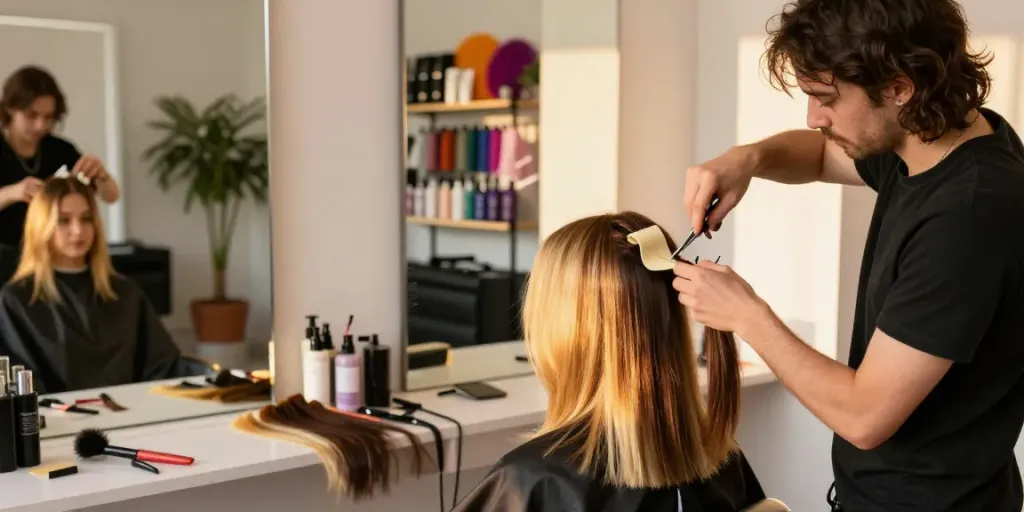
Understanding Tape in Hair Extensions
Tape in hair extensions have gained immense popularity among beauty enthusiasts and hairstylists alike due to their simplicity and versatility. As a semi-permanent hair extension solution, they offer the perfect balance between durability and ease of application. Many users find that tape in hair extensions not only provide a natural look but also allow for creative freedom in styling. Whether you’re looking for extra length, volume, or a complete transformation, tape in hair extensions can achieve stunning results. When exploring options, tape in hair extensions offer various products tailored to different needs and preferences.
What Are Tape in Hair Extensions?
Tape in hair extensions consist of small wefts of hair attached to your natural hair using medical-grade adhesive tape. This method provides a seamless and discreet appearance, allowing extensions to blend effortlessly with your hair. Unlike traditional methods, such as clip-ins or sew-ins, tape ins lie flat against the scalp, making them less noticeable and more comfortable for daily wear.
Benefits of Using Tape in Hair Extensions
- Quick Application: Tape in extensions can be applied in as little as 30-60 minutes, making them a time-efficient option for those on the go.
- Natural Look: The thin adhesive strips create a seamless blend, allowing for a more natural appearance compared to other methods.
- Lightweight: Tape in extensions are much lighter than sew-in or bonded extensions, reducing stress on the natural hair.
- Reusability: With proper care, tape in extensions can last up to a year and can be reapplied multiple times.
- Versatility: Available in a wide variety of colors, lengths, and textures, tape in extensions allow for easy customization to match your natural hair.
Common Misconceptions About Tape in Extensions
Despite their popularity, there are several misconceptions surrounding tape in hair extensions. Many believe that they cause significant damage to natural hair; however, when applied and cared for properly, tape ins are generally safe and do not harm your hair. Another common myth is that tape in extensions are only suitable for thick hair; in reality, they can be used on various hair types, including fine hair, as long as the right weight and volume are chosen.
Choosing the Right Tape in Hair Extensions
When selecting tape in hair extensions, it's essential to consider several factors to ensure you achieve the desired look while maintaining the health of your natural hair.
How to Select the Best Quality Extensions
Quality matters when it comes to hair extensions. Opt for 100% Remy human hair products, as they align with natural hair's texture and movement. Look for brands that offer transparency regarding their manufacturing processes and quality control standards to ensure you get the best possible product.
Matching Colors and Textures with Your Natural Hair
Finding the perfect shade to match your natural hair can be a bit challenging. It's advisable to compare the extensions to your hair in natural light, considering various angles to see how the colors blend. Additionally, if your hair is textured, ensure that the extensions you choose offer a similar texture to maintain a cohesive look.
Considering Length and Volume for Your Desired Look
The desired length and volume should be taken into account. Extensions typically come in various lengths, ranging from 14 inches to 30 inches. If you aim for a voluminous look, consider adding multiple packs, but be cautious of the weight they may add to your natural hair.
Application Process for Tape in Hair Extensions
Understanding the application process is crucial for achieving flawless results. Here's a step-by-step guide to applying tape in hair extensions.
Step-by-Step Guide to Applying Tape in Hair Extensions
- Prepare Your Hair: Start with clean, dry hair. Avoid using conditioner before application as it can affect the adhesive.
- Section the Hair: Use clips to divide your hair into sections, working with the lower layers first.
- Apply the Extensions: Take one tape-in weft, place it under a section of natural hair, and press the adhesive firmly.
- Sandwich Technique: Take a second weft and place it directly above the first one, effectively sandwiching your natural hair between them.
- Repeat: Continue the process until you've achieved your desired look, ensuring even spacing between extensions for a natural feel.
Tools and Products You Will Need
Gather the following tools for a successful application:
- Hair clips
- Rat-tail comb
- Scissors (for trimming extensions)
- Hair straightener (optional, for blending)
Common Mistakes to Avoid During Installation
Avoid these pitfalls to ensure a successful installation:
- Not sectioning hair evenly can lead to uneven application.
- Applying adhesive to wet or conditioned hair, which can weaken the bond.
- Overloading hair with too many extensions, leading to stress on the natural hair.
Maintaining Your Tape in Hair Extensions
Proper maintenance is vital for prolonging the life of your extensions and keeping your natural hair healthy.
Best Practices for Care and Maintenance
Follow these care tips:
- Gently brush your hair daily with a wide-tooth comb or a specialized extension brush to prevent tangles.
- Use sulfate-free shampoos and conditioners to avoid stripping the adhesive.
- Limit heat styling and always use a heat protectant when necessary.
How to Extend the Lifespan of Your Extensions
To maximize the durability of your tape ins:
- Schedule regular maintenance appointments every 6-8 weeks for adjustments and reapplication.
- Store extensions properly when not in use to prevent tangling and damage.
Signs That You Need a Reapplication or Replacement
Watch for these signs that indicate a need for attention:
- Visible lifting of the extensions from the scalp.
- Increased tangling and difficulty in managing hair.
- Visible damage to your natural hair.
Trends and Innovations in Tape in Hair Extensions (2026)
The hair extension industry is constantly evolving, with new trends and technologies emerging every year.
Emerging Technologies for Seamless Hair Extensions
In 2026, we can expect innovations such as ultra-thin adhesive tapes and systems that promote hair health during the application process. These developments focus on minimizing damage and extending wear-time.
Sustainable Practices in Hair Extension Production
With environmental concerns growing, many brands are shifting towards sustainable sourcing and production methods. Expect to see more ethically sourced hair and eco-friendly packaging options becoming standard.
Future Trends to Watch in Hair Extensions
As customers increasingly demand personalization, the future will focus on customizable lengths, colors, and textures, allowing users to achieve looks that best suit their individual style.
How long do tape-ins hair extensions last?
Typically, tape in hair extensions can last anywhere from 6 to 12 weeks, depending on how well they are maintained and the quality of the hair extensions used.
What are the downsides of tape-in hair extensions?
Some downsides include potential damage to natural hair if not applied or removed correctly, the need for regular maintenance, and the risk of adhesive buildup over time.
What is the best brand of tape-in hair extensions?
The best brand can vary based on individual needs and preferences; however, brands like Babe, Bellami, and GooGoo Hair are well-respected in the industry for their quality and range of products.
What is the average cost of tape-in hair extensions?
On average, tape in hair extensions range from $100 to $300, depending on the quality and length. Installation costs at salons can also add to the total expense.
Are tape in hair extensions suitable for thin hair?
Yes, with the right choice of lightweight extensions, tape ins can work beautifully for thin hair, allowing for added volume and length without causing undue stress.